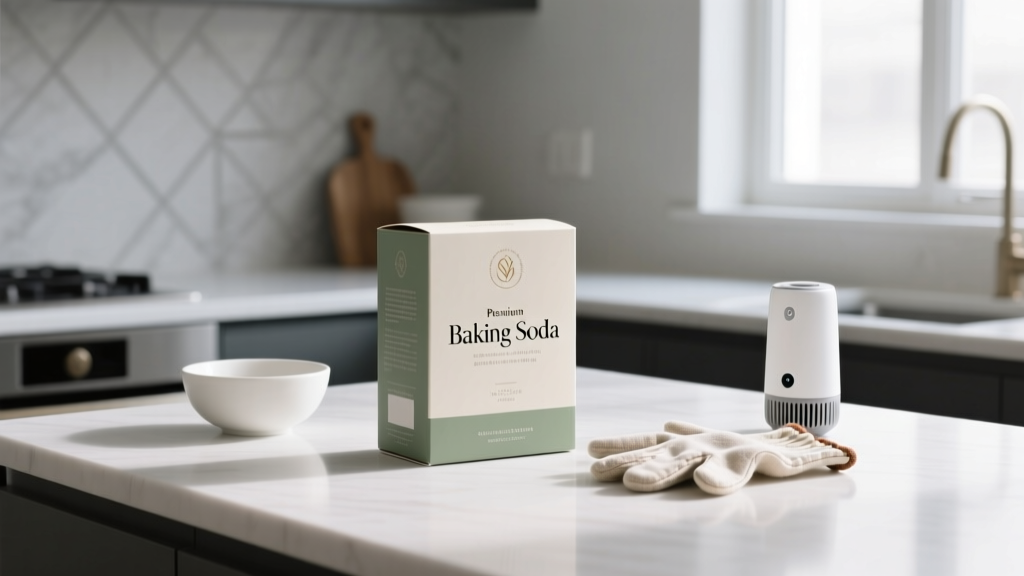
Premium Baking Soda Box Solutions Explained - CarInteriorMix
Every car owner knows the frustration: you detail the cabin, wipe down the dash, vacuum the carpets, and the interior still has a lingering smell. Maybe it?s last week?s fast food, wet gym clothes, a coffee spill that soaked into the console, or that mysterious ?old car? odor that seems to live in the seats. Odors can make even a well-maintained vehicle feel tired?and they often come back quickly if you only treat the surface.
That?s where baking soda box solutions come in. A simple box of sodium bicarbonate can act like a quiet, always-on odor manager inside your vehicle, helping reduce unpleasant smells between deep cleans. But not all approaches are equal. The ?premium? part isn?t about a luxury ingredient?baking soda is baking soda?it?s about using better packaging, smarter placement, safer containment, and a more intentional routine that fits real car life.
This guide breaks down premium ways to use baking soda boxes in cars, how they work, where they work best, what to buy, and how to avoid the common mistakes that lead to messes, weak results, or a cabin that smells like a pantry instead of fresh and clean.
What a ?Baking Soda Box Solution? Means for Car Interiors
When people talk about a baking soda box solution for a car, they usually mean one of these setups:
- Classic open box: A standard cardboard box with a vented panel opened so air can flow through.
- Spill-resistant box: A baking soda box designed with a pour spout or controlled opening, positioned to reduce tipping risk.
- Deodorizer cartridge: A purpose-built plastic container filled with baking soda (or a baking soda blend) that?s vented and stable.
- DIY ?premium? box system: A standard box paired with a tray, holder, mesh sleeve, or non-slip base to make it safer and more effective in a moving vehicle.
For car interiors, ?premium? is less about fancy branding and more about these outcomes:
- Better safety: Less chance of powder spilling into carpet, seat tracks, or vents.
- More consistent performance: Good airflow around the box and proper placement near odor sources.
- Cleaner look: A setup that doesn?t scream ?I keep baking supplies under my seat.?
- Easy maintenance: Quick swaps and predictable replacement intervals.
How Baking Soda Actually Helps with Car Odors
Baking soda doesn?t ?cover up? smells the way many air fresheners do. It works primarily by helping neutralize and adsorb odor-causing compounds. In a car, this is especially useful because the cabin is a small, enclosed space with lots of odor-trapping materials?fabric seats, headliners, carpets, foam padding, and HVAC ductwork.
Where it works well
- General stale odors: ?Old car? smell from accumulated body oils, food vapors, and everyday use.
- Food smells: Takeout, fries, spilled sauces (after you?ve cleaned the spill).
- Smoke residue support: Mild help for lingering odors (not a full solution for heavy smoke contamination).
- Damp smell management: Useful after you dry the interior; helps reduce residual mustiness.
Where it won?t replace proper cleaning
- Active mold/mildew: If water is still trapped in carpet padding or under mats, baking soda won?t fix the root cause.
- Biological odors: Pet accidents or vomit require enzyme cleaners first.
- HVAC smells: A baking soda box can help overall cabin odor, but you may still need a cabin air filter replacement and evaporator cleaning.
Premium Baking Soda Box Options (What to Buy and Why)
Below are practical choices that work well for most vehicles, from daily drivers to weekend cruisers.
Option A: Classic baking soda box (budget, effective, least secure)
Best for: Parked vehicles, garage-kept cars, or drivers who can secure it in a stable spot.
- Affordable and easy to find
- Decent odor reduction for general cabin smells
- Higher spill risk if tipped
Option B: Spill-resistant baking soda box (better everyday practicality)
Best for: Daily drivers with kids, commuting, or frequent braking/turning where tipping is more likely.
- Controlled opening reduces ?powder explosion? risk
- Easier to handle during replacement
- Still needs a stable base
Option C: Purpose-built baking soda deodorizer cartridge (cleanest, most ?premium?)
Best for: People who want a neat look and minimal mess risk.
- Sturdy plastic housing
- Vented design engineered for airflow
- Often fits cupholders or door pockets
Option D: Activated charcoal vs. baking soda (smart comparison)
If you?re deciding between baking soda and activated charcoal, here?s a simple way to choose:
- Baking soda: Great for general household-type odors and ongoing cabin freshness; widely available and inexpensive.
- Activated charcoal: Often stronger for smoke-related and chemical-like odors; typically comes in sealed fabric pouches with low mess risk.
Real-world recommendation: If your car has a ?stale? smell, start with baking soda. If it?s smoke-heavy or you?re fighting persistent odors after detailing, consider adding charcoal pouches alongside your baking soda setup.
Where to Place a Baking Soda Box in a Car (Best Spots)
Placement matters as much as the product. You want airflow around the deodorizer and proximity to the odor source?without creating a hazard.
Best placement options
- Under a front seat (secured): Great for overall cabin circulation. Use a tray or non-slip mat to prevent tipping.
- Rear footwell: Often flatter and less disturbed by seat movement.
- Trunk/cargo area: Ideal if the odor is coming from sports gear, groceries, or a musty spare tire well.
- Center console storage (only with sealed cartridges): Avoid open boxes in enclosed compartments where spills are harder to clean.
Avoid these spots
- On the dashboard: Heat and sunlight can warp packaging and create glare or distraction.
- Near HVAC vents: You don?t want loose powder near airflow paths.
- Under seats with exposed wiring or seat motors: Spills can create gritty issues over time.
Step-by-Step: Setting Up a Premium Baking Soda Box System
This approach upgrades the basic ?open box under the seat? idea into something safer and more consistent.
What you?ll need
- 1 baking soda box (standard or spill-resistant)
- A small non-slip mat or rubber tray (even a low-profile organizing tray works)
- Optional: mesh sleeve or elastic strap to keep the box snug
- A vacuum with a crevice tool (for the occasional tidy-up)
Steps
- Clean first. Vacuum carpet and seats, wipe hard surfaces, and remove the odor source (trash, damp items, spilled food). Baking soda helps most after the cause is handled.
- Choose the location. For general cabin odors, pick a rear footwell or under a front seat where it won?t interfere with seat rails.
- Add a stable base. Place your non-slip mat or tray down first. This creates friction and catches minor mess if the box gets bumped.
- Prepare the box. If using a vented/open style, open only the intended airflow panel?don?t rip the entire top off. More opening isn?t always better; it?s just more spill risk.
- Secure it. If possible, wedge it gently so it can?t slide. A simple elastic strap around the box and tray works well in many footwells.
- Set a replacement reminder. Swap every 30 days for typical odors, or every 2?3 weeks if the car is heavily used or the smell returns quickly.
- Check after a week. Make sure it hasn?t shifted and that no powder is escaping.
Real-world example: Post-gym commuter car
If you regularly toss gym clothes in the back seat, place a secured baking soda box in the trunk/cargo area near your bag, and add a second small deodorizer cartridge under the passenger seat. That two-zone setup reduces cabin funk without blasting fragrance.
When to Use Baking Soda Boxes vs. Deep Odor Treatments
A premium baking soda box solution is best viewed as maintenance, not a miracle fix. Use it:
- Between details to keep the cabin consistently fresh
- After cleaning spills to help remove leftover smells
- During seasonal changes when damp odors creep in
Consider stepping up to deeper solutions if:
- Odor returns within a day or two
- You smell mustiness after rain (possible water intrusion under carpets)
- The HVAC smells sour when you turn on A/C (often a cabin filter or evaporator issue)
- There?s visible staining on seats/carpets (needs extraction or targeted cleaning)
Common Mistakes to Avoid
- Using baking soda as the first step. If crumbs, spills, or dampness remain, the smell will keep feeding itself. Clean first, deodorize second.
- Leaving an open box loose on carpet. One hard stop and you?ll be vacuuming white powder out of fibers and seat rails.
- Placing it where it blocks seat movement. Seat tracks and wiring don?t mix well with gritty residue.
- Expecting it to fix mold or smoke-heavy cars. Those require targeted remediation (moisture source repair, enzyme cleaners, ozone treatment by pros, or thorough smoke residue cleaning).
- Forgetting replacement intervals. A months-old box may still look fine, but it?s far less effective over time.
- Overdoing fragrance add-ons. Mixing strong air fresheners with baking soda can create a strange ?sweet + stale? combo. If you want scent, choose a subtle one and keep it consistent.
Pro Tips for Better Results (Without Making a Mess)
- Pair with a cabin air filter change. If you haven?t replaced it in 12?18 months, it may be holding odors that baking soda can?t reach.
- Target the trunk when needed. Many persistent smells live in the cargo area: spare tire well moisture, old groceries, sports gear, or pet hair embedded in carpet.
- Use two smaller deodorizing units instead of one big one. One under a seat and one in the trunk often beats a single box placed randomly.
- Keep it dry. Baking soda clumps when exposed to moisture. If your car is damp, address leaks and dry the interior first.
- Don?t dump powder on carpets unless you?re prepared to vacuum thoroughly. Sprinkling baking soda directly on carpet can work for spot odor treatment, but it?s easy to overapply and difficult to fully remove from thick pile.
FAQ: Premium Baking Soda Box Solutions for Car Interiors
How long does a baking soda box last in a car?
For a typical daily driver, plan on about 30 days. If the car sees heavy use, frequent food transport, or lots of passengers, replacing every 2?3 weeks keeps results consistent.
Is it safe to keep an open baking soda box under my seat?
It can be, but only if it?s secured and won?t interfere with seat rails or wiring. For the safest setup, use a tray + non-slip mat or switch to a sealed deodorizer cartridge designed to resist spills.
Will baking soda remove smoke smell from a car?
It can help reduce mild lingering odor, but it won?t fully remove smoke contamination on its own. Smoke odor often requires deeper cleaning of fabrics and hard surfaces, plus replacing the cabin air filter. For severe cases, professional odor remediation may be needed.
Can I use baking soda in a cupholder?
Only if it?s in a stable, sealed, vented container. A loose open box in a cupholder is likely to tip, especially during turns or when you set items next to it.
What?s better for cars: baking soda or activated charcoal?
For general ?stale cabin? odors, baking soda is a great first choice. For stubborn smells?especially smoke or chemical-like odors?activated charcoal often performs better. Many car owners get the best results by using both in different areas of the vehicle.
My car smells musty after rain?should I just add more baking soda?
Musty smells after rain often point to moisture trapped under mats or carpet, clogged sunroof drains, or a door seal issue. Dry the interior, check for leaks, and consider a dehumidifying product. Baking soda can help afterward, but it won?t solve the moisture source.
Wrap-Up: A Simple Upgrade That Keeps Your Cabin Consistently Fresh
A premium baking soda box solution is one of the easiest, lowest-cost ways to maintain a clean-smelling car interior?especially when you treat it like a system: clean the source, choose a safer container, place it where airflow helps, and replace it on schedule. Done right, it quietly improves daily driving comfort without relying on heavy fragrances.
Next steps:
- Pick a placement zone (under-seat or trunk) and add a non-slip base
- Start with a 30-day replacement schedule and adjust based on results
- If odors persist, step up your approach: cabin air filter, deep cleaning, and moisture checks
Want more practical interior-care strategies like this? Explore more guides on carinteriormix.com and keep your cabin looking?and smelling?its best.